Improve Your Foyer: Innovative Sliding Door Designs for Every Home
Enhancing an entryway can significantly enhance a home's overall appeal. Contemporary sliding door designs deliver both functionality and style. From streamlined glass options to rustic wooden variations, there is a door to suit any aesthetic. Additionally, space-saving solutions like pocket doors and versatile bi-fold designs can change the flow between spaces. Each choice provides special benefits that warrant consideration. What might be the ideal fit for your home?
Modern Minimalist Slide Doors
As property owners progressively pursue refined simplicity in their living spaces, modern minimalist sliding doors have appeared as a preferred selection for entryways. These doors embody modern design, featuring sharp lines and minimalist aesthetics that create a contemporary atmosphere. Crafted from materials like glass and metal, they provide an abundance of natural light while forming a seamless connection between inside and outside spaces.
The flexibility of minimalist sliding doors enables them to complement various architectural styles, boosting both functionality and visual appeal. Homeowners value their space-saving characteristics, as they eliminate the need for swing clearance, making them perfect for smaller spaces. Additionally, these doors often feature advanced technology, such as soft-close mechanisms and smart locks, further boosting convenience and security. As a result, sleek minimalist sliding doors not only elevate the entryway but also reflect a homeowner's devotion to sophisticated, modern living.

Rustic Wooden Barn-Style Doors
Rustic wooden sliding doors offer a unique charm that draws on natural materials and craftsmanship. Various types of rustic woods, such as reclaimed barn wood or cedar, can enhance the door's character, whereas design choices and finish selections enable customization to match various entryway styles. Examining these aspects demonstrates how rustic sliding doors can combine practicality with enduring elegance.
Kinds of Rustic Woods
The charm of rustic wooden sliding doors lies in the distinct features of the woods used to craft them. Popular options include reclaimed barn wood, which exhibits a weathered patina and rich history, making each door a conversation piece. Cedar, valued for its natural resistance to deterioration and bugs, offers a warm hue and delightful aroma, enriching any entryway. Pine, with its budget-friendly nature and adaptability, provides a rustic look that can be easily painted or stained. Additionally, oak boasts durability and a classic grain pattern, adding sophistication to rustic designs. Lastly, walnut, with its dark, luxurious hues, creates a striking focal point. Each type of wood adds distinct textures and tones, elevating the overall appeal of sliding doors in rustic interiors.
Finish and Design Selections
Sliding doors crafted from various types of rustic woods offer a canvas for numerous design and finish options that can enhance their natural beauty. Property owners may opt for numerous stain varieties, from intense mahogany to vintage gray, letting each door coordinate with established furnishings. Weathered treatments can create an appealing, rustic atmosphere, whereas sleek, refined finishes highlight the wood's natural grain characteristics. Moreover, embellishing hardware, like cast iron or period-style handles, can further amplify a door's rustic charm. Sliding door styles may further include special features like farmhouse door tracks or etched glass additions, delivering a current-day accent. Consequently, these decisions permit property owners to establish a unique entry that demonstrates their aesthetic and increases utility.
Sliding Glass Doors for Contemporary Style
When evaluating modern entryway designs, glass sliding doors distinguish themselves for their capacity to seamlessly merge indoor and outdoor spaces. These doors, commonly characterized by extensive glass panels framed in sleek materials, allow natural light to illuminate the entryway, creating an inviting atmosphere. Their transparency delivers unobstructed views of landscaped spaces, elevating the overall aesthetic appeal of the home.
Beyond their visual benefits, glass sliding doors are functional, offering easy access to outdoor environments while maximizing space efficiency. They can be customized in numerous styles, from minimalist frameless designs to more traditional alternatives with decorative frames. Homeowners might choose frosted or tinted glass for added privacy, maintaining a balance between openness and seclusion.
Pocket Sliding Doors to Maximize Space
Pocket sliding doors deliver impressive space-saving features, making them an perfect selection for smaller entryways. Their design versatility enables homeowners to pick from a selection of materials and styles, seamlessly blending with different aesthetics. This functionality not only enhances space efficiency but also improves the overall design of a home.
Benefits of Space Saving
Optimizing space is a essential consideration in modern interior design, and pocket sliding doors offer an innovative solution. These doors slide into the wall, eliminating the need for swing space typically required by traditional copyrightd doors. This design not only clears floor space but also boosts the flow between rooms, making areas appear larger and more open. Pocket sliding doors are particularly valuable in smaller homes or apartments, where every square foot counts. They can be used in various settings, from practical tips closets to bathrooms, contributing to a streamlined aesthetic while maintaining functionality. By incorporating pocket sliding doors, homeowners can effectively enhance their living areas, achieving a harmonious balance between style and practicality.
Creative Design Options
Installing pocket sliding doors not only enhances space but also offers extensive design adaptability that can improve any entryway. These doors can effortlessly blend into multiple architectural styles, from minimalist to traditional, making them a suitable choice for any home. Available in a variety of materials, including wood, glass, and metal, pocket sliding doors can be customized to complement the aesthetic requirements of homeowners. They can feature elaborate designs, patterns, or even frosted glass for added privacy while letting light to filter through. In addition, these doors can be painted or stained to match existing furnishings, skillfully creating a cohesive look. With their ability to enhance space and enhance visual appeal, pocket sliding doors are a efficient and stylish solution for entryways.
Bi-Fold Sliding Door Systems for Multi-Purpose Openings
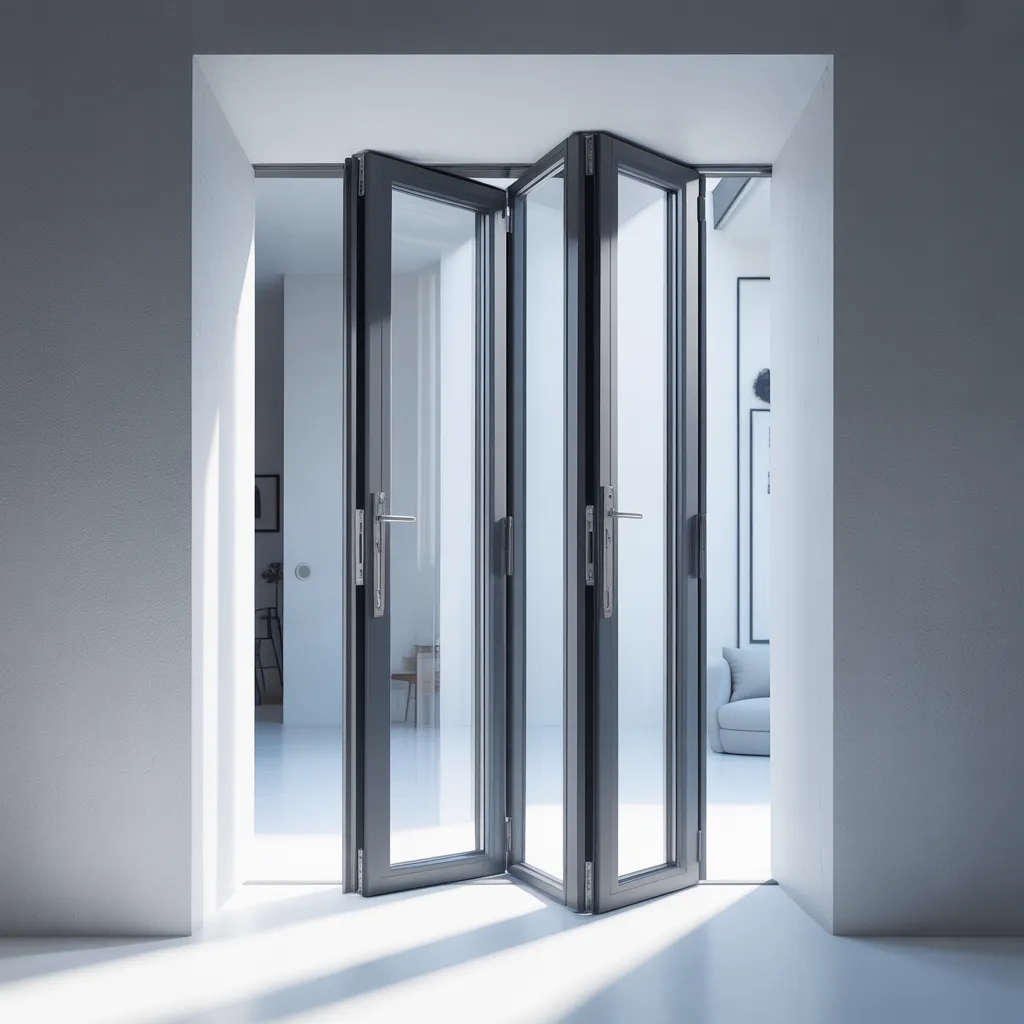
Bi-fold sliding doors deliver a perfect combination of aesthetics and practicality, making them an ideal choice for versatile openings in today's living spaces. These doors comprise multiple panels that fold together, creating expansive openings that connect indoor and outdoor spaces. Their design maximizes natural light and increases airflow, generating a more appealing ambiance.
Homeowners enjoy the flexibility that bi-fold doors deliver; they can be fully opened to create an unobstructed passage or partly folded for a more intimate setting. This adaptability is particularly beneficial in rooms such as patios, dining rooms, or entryways, where efficient space utilization is essential.
Furthermore, bi-fold sliding doors are obtainable in various materials, including wood, aluminum, and glass, making sure they can complement different architectural styles. Their potential to transform spaces while maintaining aesthetic appeal makes them a favored choice among those looking to enhance their entryways.
Personalized Sliding Doors to Complement Your Style
Though homeowners seek functionality in their entryways, customizable sliding doors offer an opportunity to showcase personal style and improve the overall aesthetic of a space. These doors can be configured to fit diverse architectural styles and individual preferences, from modern minimalism to rustic charm. Homeowners can opt for materials such as wood, glass, or metal, each contributing to a unique visual impact.
Personalization is further enhanced through color and finish options, allowing for seamless integration with current decor. Hardware components, including handles and tracking systems, can also be personalized to elevate both function and appearance.
Whether opting for frosted glass for privacy or decorative patterns for added flair, customizable sliding doors serve as a focal point in any entryway. Ultimately, these doors not only support movement and access but also express the homeowner's aesthetic vision, transforming entryways into inviting spaces that reflect personal taste.
Common Questions
What Materials Work Optimally for High-Traffic Sliding Doors?
Strong materials such as tempered glass, aluminum, and fiberglass are excellent for heavily-used sliding doors. These materials ensure resilience, protection against wear, and low maintenance requirements, guaranteeing lasting performance and reliability in busy environments.
What's the Best Way to Maintain My Sliding Door Tracks?
To keep sliding door tracks, routinely clean them of debris and dirt, lubricate with silicone spray, and examine for any obstructions. This guarantees smooth operation and extends the lifespan of the sliding door mechanism.
Is a Sliding Door Energy Efficient?
Sliding doors can be energy efficient, specifically those with double glazing and insulated frames. Correct installation and sealing also help with limiting air leakage, improving overall thermal performance and lowering heating or cooling costs in homes.
Is DIY Sliding Door Installation Feasible?
An individual can indeed install a sliding door on their own, as long as they possess the required tools and expertise. That said, meticulous focus on measurements and leveling is vital to secure proper operation and visual appeal of the door.
What Is the Typical Expense of Sliding Doors?
Average sliding door costs generally span from $500 to $2,500, based on materials, size, and installation complexity. Top-tier alternatives, encompassing custom designs or energy-efficient models, may top this average by a notable margin.